
Let’s be blunt. A lot of digital marketing feels like shouting into a crowded room. You’re pouring budget and effort into content, hoping it sticks to someone, somewhere. But what if you stopped shouting and started having a quiet, relevant conversation in the right corner of that room? That’s the power of location-specific content. It’s not just about slapping a suburb name into a headline; it’s about deeply understanding a place and its people, then speaking to them like a local, not a tourist with a brochure.
This isn’t a “nice-to-have” strategy anymore. For businesses with physical premises, service areas, or even those wanting to build authentic community trust online, it’s the core of modern marketing. It’s what separates a generic plumbing ad from the one that says, “Fixing leaky taps in Paddington’s Queenslanders since 1985.” One gets scrolled past. The other gets the call.
This guide cuts through the fluff. We’re talking about how to craft content that resonates so deeply with a local audience that it doesn’t just get seen—it gets action.
Why “Near Me” Isn’t Enough: The Real Psychology of Local
Everyone knows about “near me” searches. They’ve exploded by over 500% over the past few years. But that’s just the tip of the iceberg. The real value lies in the intent behind those searches. Someone isn’t just looking for a thing; they’re looking for a solution within a specific geographical and cultural context.
People trust what they know. A cafe in Brunswick isn’t just competing with the place down the road; it’s competing with the entire concept of making coffee at home. Its content needs to tap into the local identity—the Brunswick vibe, the love for street art, the community focus. It’s about showing you’re part of the fabric of the place, not just a business that happens to be located there.
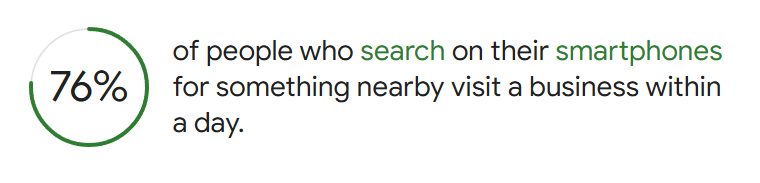
A study by Google found that 76% of people who search for something nearby on their phone visit a related business within a day.
Furthermore, 28% of those searches result in a purchase. These aren’t just clicks; they’re footsteps through your door.
When your content reflects a user’s immediate environment, it does three critical things:
- Builds Immediate Relevance: It answers the “what’s in it for me, right here, right now?” question instantly.
- Creates Trust: You demonstrate you understand local needs, nuances, and even pain points (like that main road that’s always under construction).
- Drives Higher Conversions: Relevant visitors are qualified visitors. They’re more likely to convert because you’ve already pre-qualified them by speaking their language.
How to Do the Homework: Research That Actually Matters
You can’t fake being local. You have to do the work. This isn’t about assumptions; it’s about immersion.
- Go Deeper Than Demographics: Sure, know the average age and income. But then go further. What are the local footy teams? What’s the big community gripe on the local Facebook group? Is the suburb known for its post-war homes, attracting young families doing renos? Read the local rags like the Inner West Courier or The West Australian for suburb-specific news. Lurk in community groups to hear the unfiltered chatter. This is where you find the gold—the specific phrases, concerns, and pride points you can weave into your content.
- Use the Right Tools: Don’t just rely on Google. Tools like Google Trends can show you what people in a specific city or region are searching for. Compare “best coffee” searches in Melbourne versus Perth and you’ll see different curves. AnswerThePublic is fantastic for visualising the questions real people are asking about a topic in a specific country. For a deep dive into local search performance, BrightLocal is an industry staple for tracking local SEO rankings and customer reviews. Their annual Local Consumer Review Survey is essential reading to understand how reviews influence local search decisions.
- Talk to Your Frontline Staff: Your people on the ground are a goldmine. What questions do customers ask every single day? What are the common misconceptions about the area they have to correct? What local landmarks do they use for directions? (“It’s just past the old brick kiln, you can’t miss it!”). This raw, real-world data is pure content fuel.
Crafting Content That Hits Home: Practical Plays
Now, take that research and turn it into something tangible. This is where you move from theory to practice.
1. Website Pages with Local Landing Zones:
Your service area pages shouldn’t be thin, duplicate-filled wastelands. For each key location you serve, create a dedicated, meaty page.
- For a Plumber in Newcastle: Don’t just have a page titled “Newcastle.” Have one titled “Emergency Blocked Drains & Plumbing Services | Newcastle NSW.” In the content, mention dealing with “sandy soils in Stockton that can shift pipes” or “common issues in the heritage homes of The Hill.” You’re showing specific knowledge.
- Include Local Proof: Embed a Google Map of your business location. Feature genuine customer testimonials that mention the suburb. “Thanks for getting to our place in Merewether so quickly on a public holiday!” This social proof is undeniable.
- Use Local Images: Ditch the generic stock photos. Use real images of your team on a job in that area, your van in front of a local landmark like Nobbys Beach, or even (with permission) happy customers outside their homes. Authenticity wins, every time.
2. Hyperlocal Blog Content:
This is your chance to become the local expert, not just a local business.
- Solve Local Problems: “A Guide to Preparing Your Adelaide Hills Home for Bushfire Season” from a landscaping company. “Why Your Fitzroy Apartment’s Water Pressure is Crap (And How We Fix It)” from a plumber.
- Celebrate Local Life: A café could write “The Ultimate Walking Tour of Carlton’s Best Street Art (With Coffee Stops).” A real estate agent could profile, “Suburb Spotlight: Why Paddington is Brisbane’s Best-Kept Secret for Young Families.”
- Cover Local Events: Write a recap of the annual Swell sculpture festival on the Gold Coast if you’re a local photographer or hotel. This shows you’re engaged and present.
3. Localised Listings and Citations:
This is the unsexy, technical backbone that makes it all work. If your business name, address, and phone number (NAP) are inconsistent across the web, Google gets confused. You need to ensure your listings are accurate and complete on:
- Google Business Profile (This is non-negotiable. Fill it out completely with photos, posts, and Q&As.)
- Key directories like TrueLocal, Yellow Pages Online, and Hotfrog.
- Industry-specific directories and local council pages.
Use a tool like Whitespark or BrightLocal to find local citation sources and audit your existing listings for consistency. A clean, consistent NAP profile across the web is a fundamental ranking factor for local search.
4. Social Media That Feels Social:
Your social channels should sound like they’re run by someone who lives there.
- Use Location Tags: Always tag your location in posts and Stories on Instagram and Facebook.
- Engage with Local Accounts: Repost content from local customers (with credit!), comment on posts from local community groups, and support other local businesses. Be a good digital neighbour.
- Run Geo-Targeted Campaigns: When you run ads, use Facebook and Instagram’s detailed targeting to show them only to people within a specific postcode or radius. Your message for a winter heater service special will be far more effective shown only to people in Hobart than those in Darwin.
Avoiding the Common Stuff-Ups
Even with the best intentions, it’s easy to get it wrong.
- Don’t “Stuff” Keywords: Writing “We are the best plumber in Parramatta, serving the Parramatta area for all your Parramatta plumbing needs” is awful to read and Google sees right through it. Write for humans first, and weave location in naturally.
- Avoid Generic Content with a Location Slapped On: A blog post called “5 Tips for Gardening” with “in Perth” added to the title is weak. Make it “5 Drought-Proof Plants That Thrive in the Perth Summer.” See the difference?
- Don’t Ignore Negative Location Nuances: If your area is known for terrible parking, acknowledge it. A dentist in a busy CBD could have a page titled “Your Visit” that says, “We know parking in the city can be a pain. Here are three undercover car parks within a 2-minute walk of our practice, and we validate tickets for the Wilson’s on King Street.” You’ve just turned a negative into a massive trust signal.
Measuring What Actually Works
How do you know it’s working? You track it.
- Google Business Profile Insights: Monitor how many people found your listing in search, requested directions, or called you directly from it.
- Google Analytics 4 (GA4): Use the “Demographics” > “Geo” > “City” report to see which locations are driving traffic and conversions to your site. Set up goals for contact form submissions, quote requests, and calls.
- Track Local Landing Pages: See which specific location pages have the highest conversion rates and the lowest bounce rates. Double down on what’s working.
The Bottom Line
Crafting location-specific content that converts isn’t a marketing tactic. It’s a business philosophy. It’s about ditching the megaphone and starting a conversation. It requires you to listen more than you talk, to understand the streets your customers walk down, and to create content that feels like it was written by someone who walks them too.
When you get it right, you stop being just another option in a search result. You become the obvious choice for your patch. And in a noisy digital world, that local trust is the most valuable currency there is.